Alex RossCertified Sleep Coach
Client portal(opens in a new tab)Start the free course
Start the free course

You've tried melatonin, magnesium, no screens, sleep podcasts, white noise, sleep trackers, breathing exercises, a stricter bedtime, a cooler room, no caffeine.You're not broken. You're stuck.

Chronic insomnia has a way of shrinking your world. You stop doing things because you're worried they'll affect your sleep. Before long, insomnia starts making your decisions for you. I help people get out of that cycle — not by finding you a better sleep routine, but by changing what sleep is allowed to cost you.

Start the free course

Four video lessons. Free, and no obligation to buy anything after.

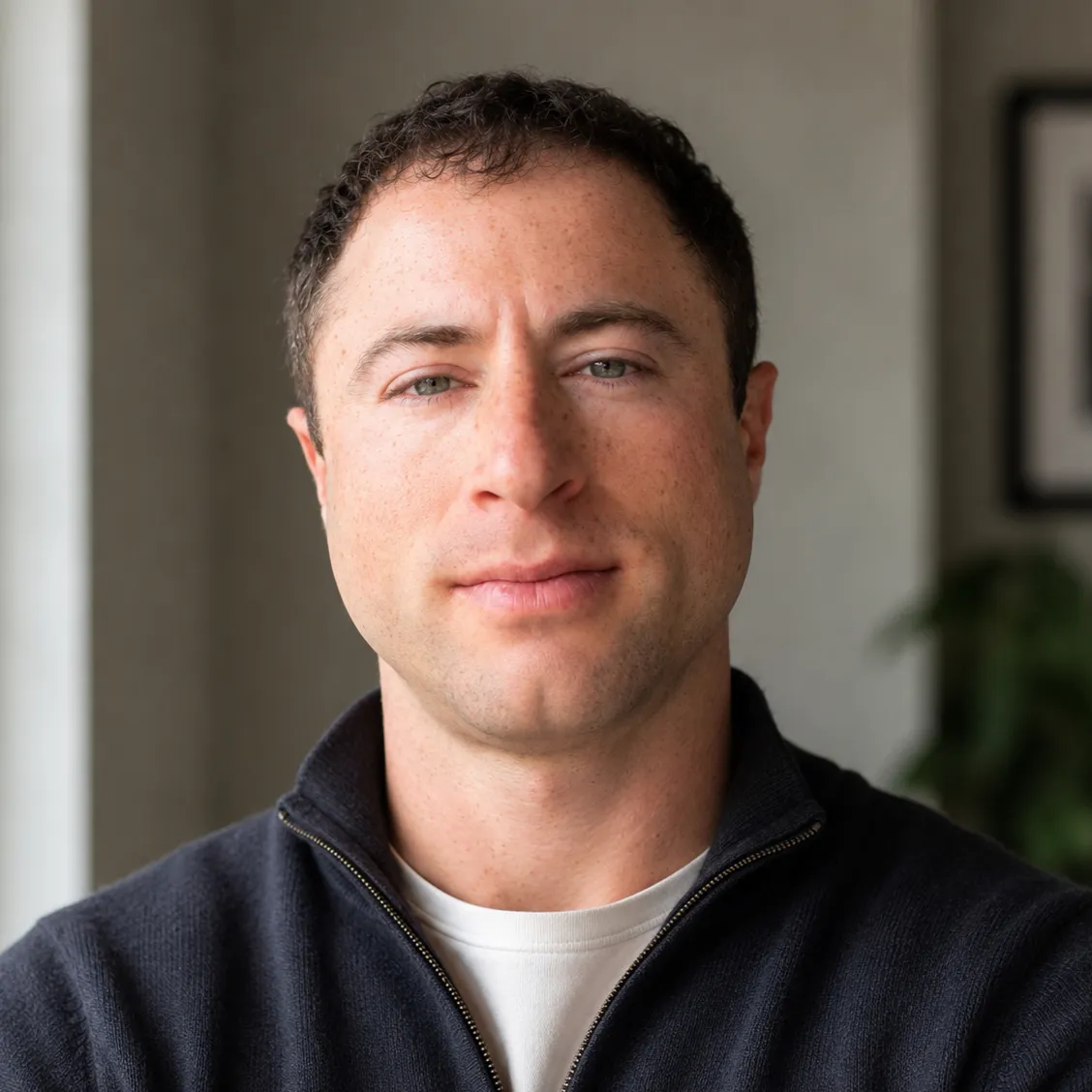
Alex Ross, photographed indoors in natural light

Certified Sleep Coach · The Sleep Coach School

Looking back, recovery wasn't really about sleep. It was about getting my life back.

I spent years with chronic insomnia myself. That experience changed how I think about recovery, and ultimately why I became an insomnia coach.

I'm now a Certified Sleep Coach through The Sleep Coach School, where I trained specifically in helping people recover from chronic insomnia.

That's what I help people do.

Read the whole story

Why trying harder hasn't worked

What most advice gives you

Sleep hygiene is about habits and environment — caffeine, screens, room temperature, a consistent bedtime. It can genuinely help someone who sleeps fine and wants to sleep slightly better.

But you almost certainly know all of it already. Most people with chronic insomnia have excellent sleep habits and still can't sleep. Following the rules more strictly turns sleep into a project — and sleep is not something anyone can force through good behaviour.

What actually keeps it going

Fear. Monitoring. Pressure. The effort to control something that only arrives when you stop reaching for it. Your body has learned to treat the night as a threat, and it responds accordingly.

So the work isn't another technique. It's reducing the threat: letting wakefulness be survivable, stopping the clock-watching and the arithmetic, and getting your days back before your nights are fixed.

This is the approach taught by The Sleep Coach School, where I trained, and it's what my own recovery actually looked like.

Where to start

Begin with the free course. If you want individual support after that, the program is there — but the course is built to be useful on its own.

Insomnia Recovery Starter Course

Free4 video lessons · one a week · yours to keep

Where the approach starts. Four self-guided lessons on why insomnia persists even when you're doing everything right, and how changing your relationship with sleep and wakefulness moves you toward recovery. Genuinely free, and useful on its own.

  • Insomnia Recovery Program

    $4998 private sessions · 8 weeks · email support throughout

    Eight weeks of one-to-one coaching alongside an eight-part video curriculum, built around your situation rather than a general plan. We work through what's keeping the struggle alive, and through setbacks as they happen.

    See the full program
  • 15-Minute Insomnia Strategy Call

    FreeOne 15-minute conversation · no obligation

    If you'd rather talk first. We'll go through what's been happening with your sleep and what you've already tried, and work out whether coaching is a fit. If it isn't, you'll still leave with a clearer idea of where to focus.

    Book a call

Questions people ask before starting

  • What is insomnia recovery coaching?

    It helps you understand the patterns that keep chronic insomnia going, and change how you respond to sleep and wakefulness. Rather than trying harder to make sleep happen, we work on reducing the fear, pressure, monitoring, and effort that turn sleep into an ongoing struggle.

  • How is this different from sleep hygiene?

    Sleep hygiene is about habits and environment — caffeine, screens, room temperature, bedtime routines. Those can be useful, but most people with chronic insomnia already have excellent sleep habits and still can't sleep. My approach focuses on what's keeping the struggle alive: sleep anxiety, hypervigilance, perceived threat, and the effort to control sleep.

  • Can insomnia actually get better after months or years?

    Yes. Having experienced insomnia for a long time doesn't mean you're permanently stuck with it. The goal isn't perfect sleep every night — it's reaching a point where wakefulness no longer feels threatening, sleep requires less effort and attention, and insomnia stops running your life.

  • Do you offer a free way to get started?

    Yes. The Insomnia Recovery Starter Course is a free four-week course covering the foundational ideas behind my approach — four self-guided video lessons, one released each week. There's no obligation to buy anything afterward. It's designed to be genuinely useful on its own.

  • Is this a replacement for medical care?

    No. Coaching is educational and supportive, and isn't a substitute for medical diagnosis or treatment. If you have symptoms that could indicate an underlying medical or psychiatric condition, or concerns about medications or other treatments, those belong with a qualified healthcare professional.

Recovery doesn't start with a perfect night. It starts when insomnia stops making your decisions.

Start the free course

Would rather talk first? Book a free 15-minute call, or email me at [email protected].